BASICS
Locks, rekeying and lockouts
This is the broad one: the locks on houses and businesses, and the calls a new locksmith gets most.
- Format
- One-on-one. You're the only student.
- Where
- My shop in Colorado Springs
- Experience
- None needed
- How long
- Days, not months
- Included
- Tools and materials while you train
- Price
- Intro pricing for the first five students
Taught by me, Nick Brown, a working locksmith in Colorado Springs. About me
What we cover
Residential
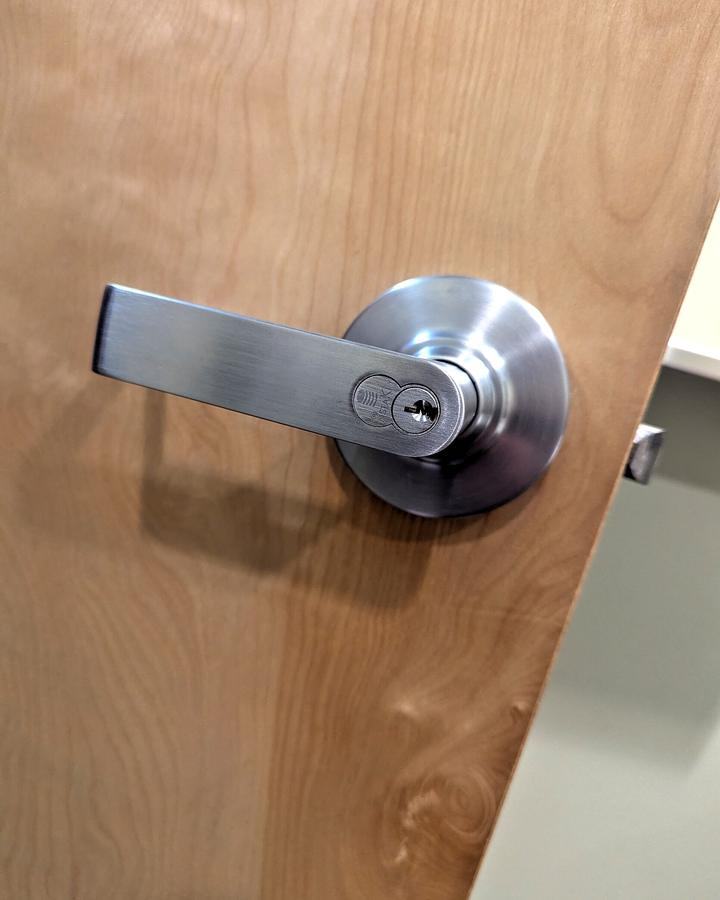
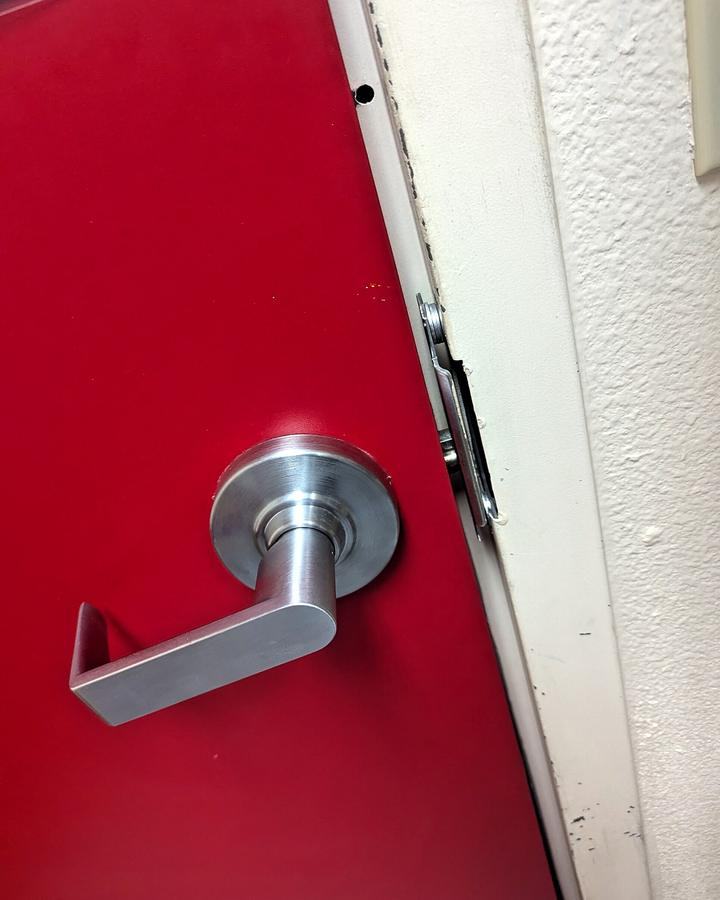
Knobs, levers and deadbolts. How a lock is built and why one key opens it and another doesn't. Rekeying so an old key stops working, replacing hardware, installing on a new door, and the problems that get called in as a broken lock, which are often the door or the strike.
Commercial
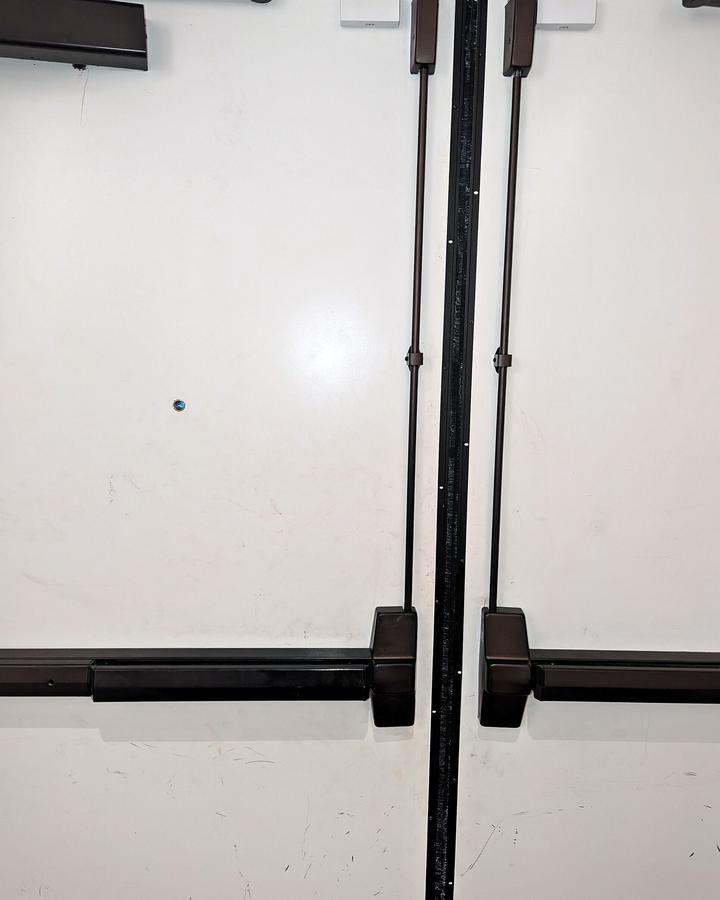
Heavier cylinders and levers, storefront hardware, door closers, and how master keying works: why one key opens one door and another key opens all of them.
Lockouts
Houses and cars. Protecting the door or the vehicle, what to do when an alarm goes off, and making sure the person actually owns the place.
The business side
How a call comes in, quoting it, getting the customer's authorization, invoicing, and which starter tools matter first and which can wait.
You'll leave able to
- Rekey a lock so the old key stops working
- Replace and install common residential and commercial hardware
- Tell whether a "broken lock" is the lock, the door or the strike
- Work common lockouts without damaging the door or the car
- Quote a job, and know which ones to turn down for now
Good fit for
- People starting from zero
- Handymen, maintenance techs and property managers
- Tow and roadside operators who already get asked about lockouts
In plain English
How a pin-tumbler lock works
Most of the locks you touch every day work the same way. Inside a deadbolt or knob there's a cylinder that turns, sitting in a housing that doesn't. Everything else in there exists to stop it turning.
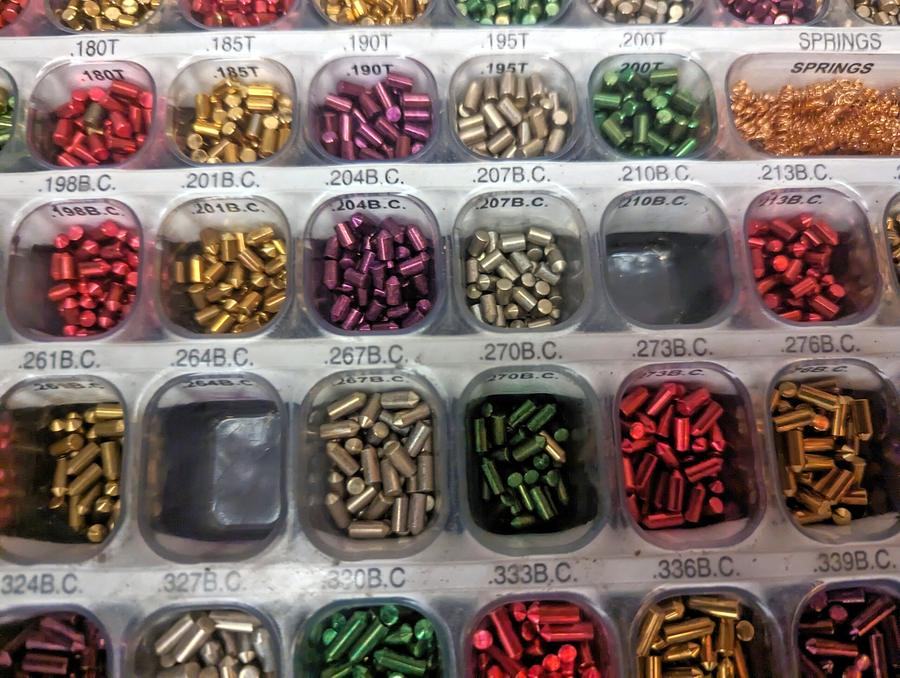
A row of small pin stacks, each pushed down by a spring, crosses the gap between the two. That gap is called the shear line. As long as a pin crosses it, nothing turns.
The right key lifts every stack to exactly the right height, so the gap is clear and the cylinder turns. A wrong key leaves at least one pin in the way.
Rekeying is swapping the pins for a different set of heights so a different key lines up. Same lock, new key. That's why it usually costs less than replacing the lock, and it's one of the first things I teach.
Want to learn BASICS?
Message the Page with BASICS, or call or text me. Tell me what you already know and what days work for you.